Top 5 Technologies in Modern Facial Machines You Should Know?

Time:2026-08-01 Author:Amelia
0%

In the ever-evolving world of skincare, understanding what technologies are used in modern facial machines is essential. These advanced devices are revolutionizing the way we approach skin health and beauty. They incorporate cutting-edge innovations that enhance effectiveness and user experience. From LED therapy to ultrasound technology, each tool targets specific skin concerns.

Many professionals rely on these technologies to deliver personalized treatments. For instance, RF (Radio Frequency) technology rejuvenates skin and stimulates collagen production. Such devices promise results, but do they always meet expectations? There’s a lot of hype, and sometimes, outcomes vary.

Staying informed about these technologies can help consumers make smarter choices. It’s no longer just about routine facials; it's about utilizing precision instruments that work on a cellular level. This shift invites reflection on how we engage with our skincare. Are we truly adapting to these advancements? Understanding the core technologies behind facial machines is key to maximizing their benefits and ensuring lasting results.
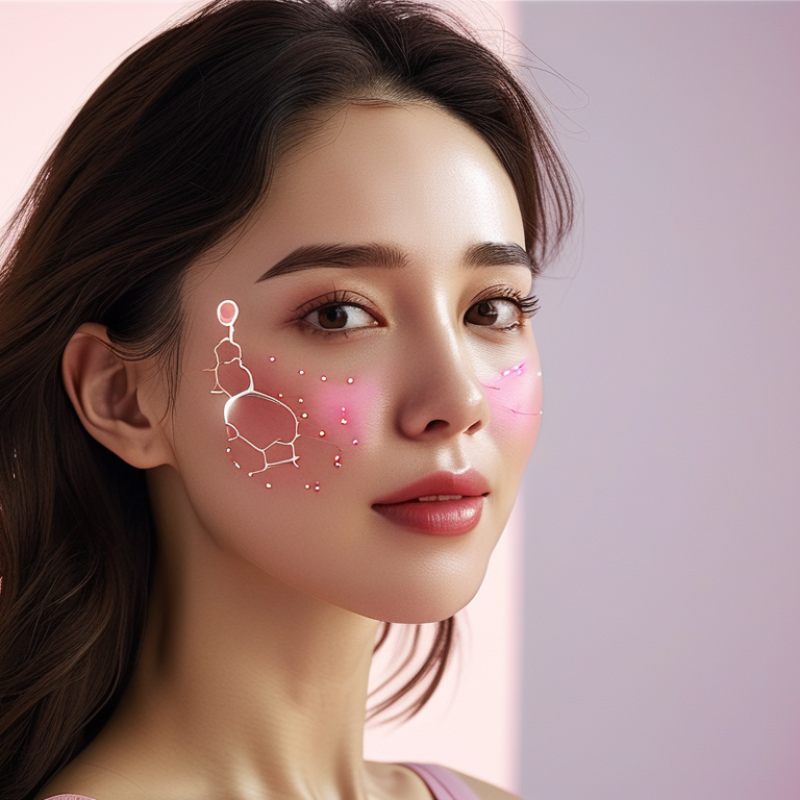
Top 5 Technologies in Modern Facial Machines You Should Know?

Key Components of Modern Facial Machines

Facial machines today incorporate several key components that revolutionize skincare treatments. These machines often include advanced technologies such as microcurrent therapy, LED light therapy, and ultrasonic waves. Each technology targets specific skin issues and enhances overall skin health.

Microcurrent therapy uses low-level electrical currents. This stimulates facial muscles, promoting firmness. LED light therapy addresses various skin concerns, utilizing different wavelengths for anti-aging and acne treatments. Ultrasonic waves penetrate deeply, helping products absorb better. These elements enhance the effectiveness of a facial treatment, making it more than just a surface-level experience.

Moreover, modern facial machines often feature user-friendly interfaces. These allow estheticians to customize treatments easily. There's a shift towards more multifunctional devices. However, learning to use these complex technologies requires time and experience. Some practitioners may feel overwhelmed by the range of available settings. Continuous education is crucial to harnessing their full potential.

Advancements in Skin Analysis Technology

Modern facial machines have seen remarkable advancements in skin analysis technology. With the rise of artificial intelligence, skin analysis has become more accurate. These machines can now assess skin conditions in real time. They use advanced algorithms to analyze texture, pigmentation, and elasticity.

The integration of imaging technology plays a significant role. High-resolution cameras capture detailed images of the skin. This allows for deeper insights into skin health. Furthermore, many machines employ UV light to detect issues beneath the surface. This can be particularly enlightening for professionals in the skincare industry. However, not every automated analysis is flawless. Misinterpretations can occur, leading to incorrect recommendations. Continuous training and updates are essential to refine these systems.

User experience is also a focal point. Many machines are designed to be user-friendly. Clear displays guide both professionals and clients through the analysis process. However, reliance on technology can sometimes overshadow the human touch in skincare. Balancing advanced technology with personal attention remains a challenge. As the technology evolves, so too must the approach to skin care.

Innovative Treatment Modalities in Facial Devices

The evolution of facial machines has transformed skincare practices. Innovative treatment modalities are now at the forefront of the beauty industry. According to a recent report from Grand View Research, the global market for facial treatment devices is expected to reach $3.5 billion by 2027, highlighting the increasing demand for advanced technology in skincare.


One prominent modality is LED light therapy. This non-invasive technology uses different wavelengths to target various skin concerns. Research indicates that blue light can effectively reduce acne. Meanwhile, red light is known for its anti-aging properties. Clinicians recommend a series of sessions for optimal results, showing that consistency is key in these treatments.


Another exciting technology is microcurrent therapy. This technique helps to stimulate facial muscles and improve skin elasticity. Some studies suggest it can lead to a noticeable lift, creating a more youthful appearance. However, the results may vary among individuals, prompting the need for personalized treatment plans. Additionally, while these technologies are promising, the user experience can differ widely, depending on skin types and conditions.

The Role of AI and Machine Learning in Facial Treatments

Artificial Intelligence (AI) and machine learning are transforming facial treatments. According to a recent industry report, 65% of clinics using AI technology have seen improved treatment outcomes. This significant shift enhances personalization in skincare.

Algorithms analyze skin types and conditions, allowing for custom-tailored treatments.

Moreover, AI helps track progress over time. Clinicians can make data-backed adjustments to treatment plans. A study revealed that AI-driven machines reduce treatment time by 25%. However, there are challenges. Data privacy concerns linger, as patient information must remain secure.

Despite their benefits, reliance on technology can feel daunting. Practitioners must balance AI efficiency with their expertise. Human intuition remains vital in interpreting AI results. The future of facial treatments lies in collaboration between technology and skilled professionals.

Safety Features and Standards in Facial Machine Design

When it comes to facial machines, safety is paramount. Advanced technologies have revolutionized the industry, but innovation must prioritize user safety. One essential aspect is the incorporation of automatic shut-off features. These mechanisms prevent overheating, reducing the risk of burns or other injuries during use.

Moreover, reliable facial machines are designed following strict safety standards. Manufacturers often ensure that devices undergo rigorous testing. Certifications from recognized organizations help verify that these machines meet crucial health and safety regulations. Such validation builds trust among practitioners and users.

It’s important to remember that not all safety features are foolproof. Some machines may lack adequate user instruction or warning alerts. Regular maintenance and proper training are crucial for optimal safety. Engaging in thoughtful discussion about these concerns can lead to improvements and enhanced user confidence in modern facial technologies.

Top 5 Technologies in Modern Facial Machines You Should Know

Technology Description Safety Features Standards
Ultrasonic Technology Uses high-frequency sound waves to clean and rejuvenate skin. Waterproof designs and automatic shut-off mechanisms. ISO 13485 certified for medical devices.
Microdermabrasion Exfoliates skin using fine crystals to remove dead skin cells. Integrated vacuum and filtration systems. CE marked for safety in Europe.
LED Light Therapy Utilizes different wavelengths of light to treat various skin issues. Low-heat operation to prevent burns. FDA cleared for cosmetic uses.
Radiofrequency Stimulates collagen production through heat. Temperature control and skin cooling features. Meets IEC safety standards.
HydraFacial Technology Combines cleansing, exfoliation, and hydration in one treatment. Disposable tips to ensure hygiene. Certified by various health authorities.

FAQS

: What technologies are commonly found in modern facial machines?

: Modern facial machines often use microcurrent therapy, LED light therapy, and ultrasonic waves for effective skin treatments.

How does microcurrent therapy work?

It applies low-level electrical currents, stimulating facial muscles to promote skin firmness and elasticity.

What benefits does LED light therapy provide?

LED light therapy targets specific skin issues, such as anti-aging and acne, using various wavelengths to treat concerns effectively.

How does ultrasonic technology benefit skin care?

Ultrasonic waves penetrate deeply, improving the absorption of skincare products for better overall skin health.

Are modern facial machines easy to use?

Many machines have user-friendly interfaces, but learning to use them effectively requires practice and ongoing education.

What role does skin analysis technology play?

Skin analysis technology allows real-time assessment of skin conditions, enhancing treatment personalization and effectiveness.

Can automated skin analysis be inaccurate?

Yes, sometimes automated analyses can misinterpret data, leading to incorrect treatment recommendations. Continuous training is essential.

How do safety features enhance facial machine use?

Safety features like automatic shut-off prevent overheating and injuries, ensuring a safer experience for users and clients.

Are all safety features effective?

Not all machines provide sufficient instructions or alerts, so regular maintenance and training are necessary for safe operation.

How important is the human touch in skincare with advanced technology?

Balancing technology and personal attention is challenging but essential for effective skincare treatments and user satisfaction.

Conclusion

Modern facial machines have undergone significant advancements, integrating various innovative technologies that enhance skincare treatments. Key components of these devices often include advanced skin analysis technology, enabling practitioners to assess skin conditions accurately and personalize treatments. What technologies are used in modern facial machines also encompasses cutting-edge treatment modalities that utilize techniques such as microdermabrasion, chemical peels, and light therapies to effectively address various skin concerns.

Additionally, the integration of artificial intelligence and machine learning plays a crucial role in facial treatments, providing data-driven insights and enhancing treatment outcomes. Safety features and standards in machine design ensure that these devices are both effective and safe for consumers, adhering to rigorous industry guidelines. Collectively, these advancements signify the exciting evolution of facial technology, making it an essential part of modern skincare practices.

Amelia

Amelia

Amelia is a seasoned marketing professional with a wealth of expertise in our company’s core offerings. With an unwavering passion for driving growth and innovation, she plays a pivotal role in shaping our marketing strategies and enhancing brand visibility. A key aspect of her responsibilities......