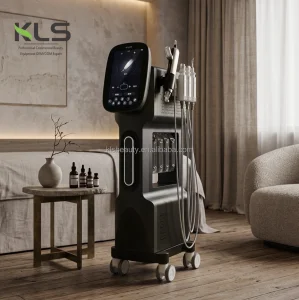
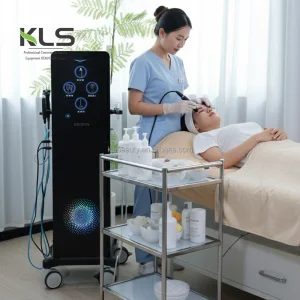
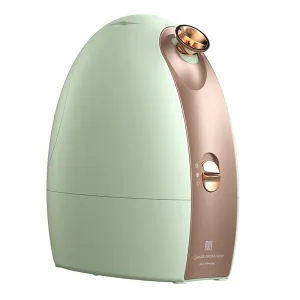
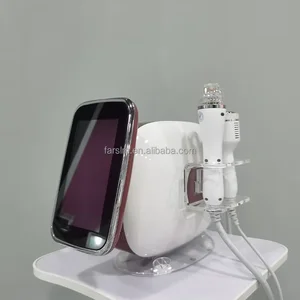
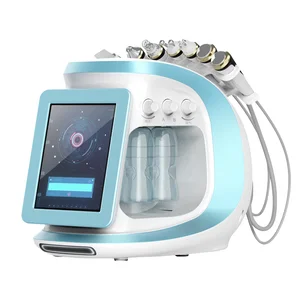
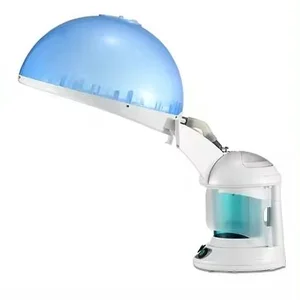
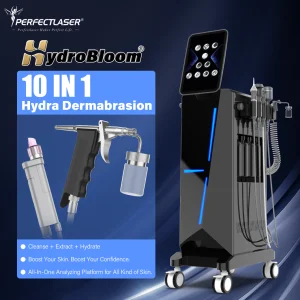
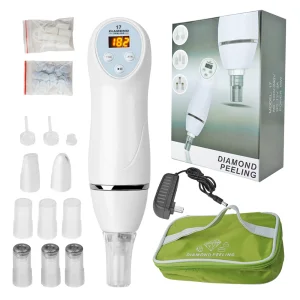
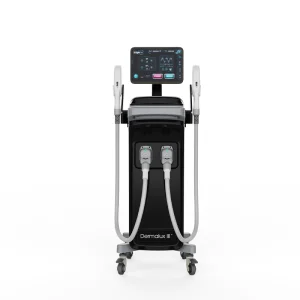
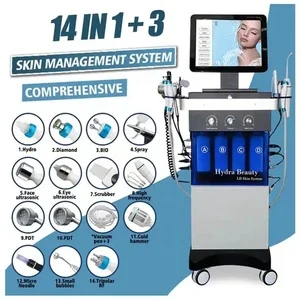
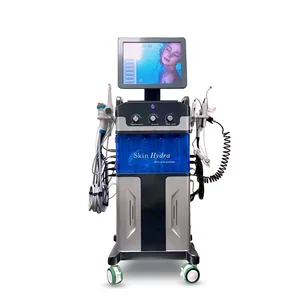
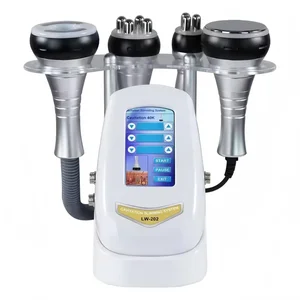
Explore our premium grade skin resurfacing, deep exfoliation, non-invasive face lifting, and medical light therapy equipment engineered for clinical-level performance.
The global skin rejuvenation market is undergoing a structural paradigm shift towards non-invasive and minimally invasive clinical solutions. Distributors and medical spa managers worldwide are moving away from ablative chemical peels and traditional invasive procedures. Instead, they are prioritizing high-performance, multi-functional energy-based devices (EBDs) and advanced mechanical hydro-dermabrasion technologies.
Clinical data indicates that patients now seek zero-downtime procedures with immediate visual output. This has driven the industry toward complex aesthetic workstations. Modern systems incorporate multiple synergistic modalities: Hydra Dermabrasion for mechanical sebum extraction, Fractional Radiofrequency (RF) Microneedling for deep dermal collagen remodelling, and High-Intensity Focused Ultrasound (HIFU) for deep SMAS lifting. Simultaneously, phototherapy and microcurrent platforms have transitioned from luxury clinical items to standard base treatments in any modern med-spa setup.
The integration of digital UI systems and advanced software algorithms has also redefined how treatments are customized. Modern equipment allows practitioners to tune frequencies, vacuum pressures, serum flow rates, and light wavelengths to align with the client’s exact skin profile, optimizing the treatment's safety and clinical efficacy.
Sourcing medical-grade aesthetic machinery from overseas presents complex challenges for international distributors, clinic chains, and medical-spa owners. When purchasing skin rejuvenation equipment, B2B buyers must evaluate criteria beyond initial unit cost, focusing on long-term operations, regulatory support, and component reliability.
Global operators require CE (MDD/MDR), RoHS, FDA 510(k), and ISO 13485 certifications. Sourcing from factories with fully audited quality management processes reduces customs risks and ensures local liability compliance.
B2B importers prioritize modular interior layouts. This enables local technical teams to swap pumps, RF power supplies, control boards, or screen modules within minutes, minimizing clinical downtime.
Distributors require customized software UIs, localized language displays, and branded chassis to differentiate their offerings and maintain high margins in competitive domestic markets.
Purchasing directly from reliable manufacturers who integrate high-end componentry—such as high-pressure Japanese vacuum pumps, German optical fiber components, and advanced solid-state capacitors—ensures stable output over thousands of patient sessions, maximizing the buyer's return on investment.
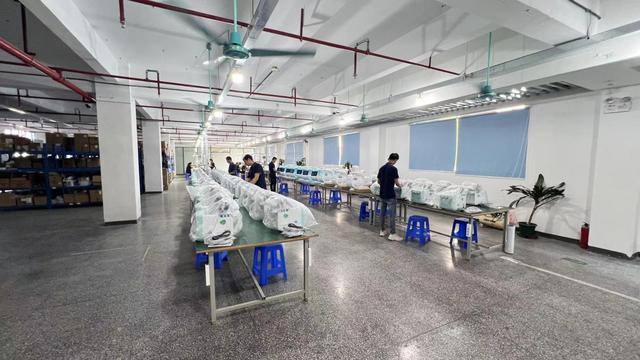
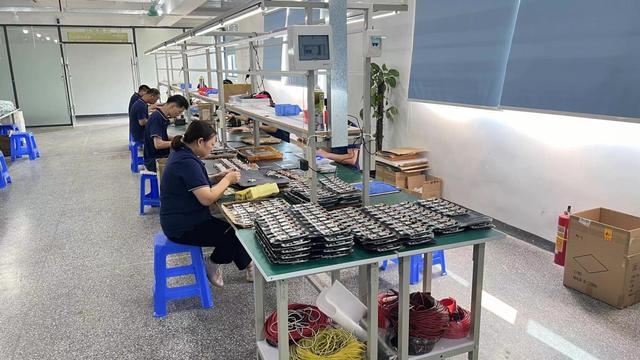
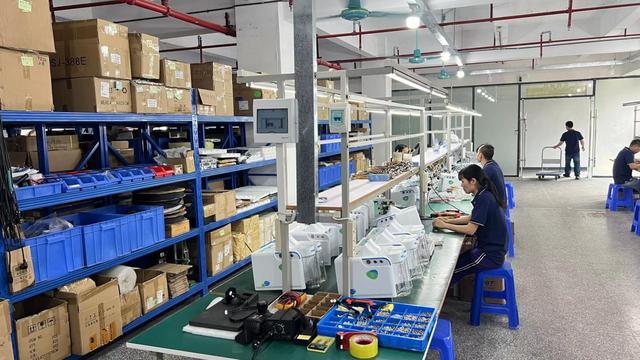
China's aesthetic machinery manufacturing sector has transitioned from simple assembly workshops to high-tech, vertically integrated smart factories. This transformation, driven by Industry 4.0 principles, provides global buyers with structural advantages in speed-to-market, cost control, and consistent quality.
The concentration of precision electronic component suppliers, sheet metal fabricators, injection molding facilities, and software development hubs in industrial zones like Guangzhou allows for rapid prototype iteration. This integration accelerates design phases that once took months, completing them in weeks. While domestic supply chains reduce transport costs and assembly delays, strict internal testing protocols ensure high product reliability.
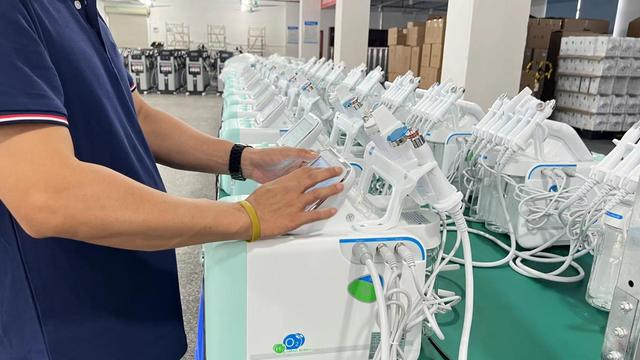
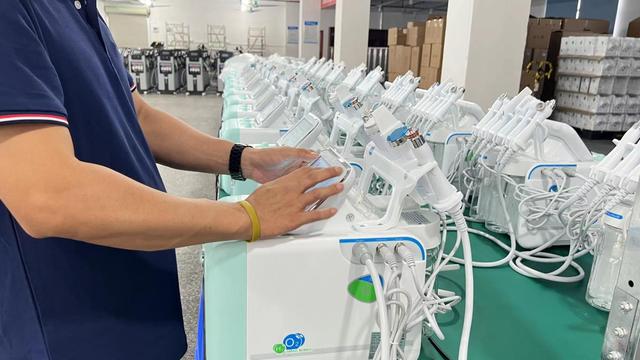
Reliable Chinese manufacturers utilize dust-free clinical assembly halls, automated optical inspection (AOI) testing, and specialized temperature-aging chambers. During aging, devices are tested under continuous load for 48 to 72 hours. This helps ensure that the voltage outputs, laser pulse intervals, and cooling cycles remain stable, reducing defect rates before export.
| Production Process | Traditional Assembly | China Factory 4.0 (Nova Beauty Standard) | Sourcing Advantage for Buyers |
|---|---|---|---|
| Component Sourcing | Fragmented supply, high import overheads | Direct integration with localized industrial supply hubs | Low lead times, reduced component costs |
| Assembly Environment | Standard ambient workshops | ISO-Class dust-free chambers and cleanrooms | Zero optical contamination, extended life cycles |
| Quality Assurance | Manual final unit checks | Continuous load aging & software sensor diagnostics | Defect rates under 0.3% at delivery |
| Customization (OEM/ODM) | Limited to basic logo printing | Full GUI rewriting, custom molds, PCB redesign | Exclusive branding, custom market targeting |
Guangzhou Nova Beauty Co., Ltd. is a professional China facial machine manufacturer dedicated to the research, development, production, and global distribution of advanced beauty equipment and aesthetic solutions. With extensive industry experience and a strong commitment to innovation, Nova Beauty provides high-quality, reliable, and technology-driven beauty devices for customers worldwide.
Our comprehensive product portfolio includes facial machines, Hydra facial systems, RF beauty machines, HIFU machines, skin analysis systems, microcurrent devices, LED light therapy equipment, oxygen facial machines, multifunction beauty systems, and customized aesthetic solutions. These products are widely used in beauty salons, spas, aesthetic clinics, wellness centers, and skincare institutions across the globe.
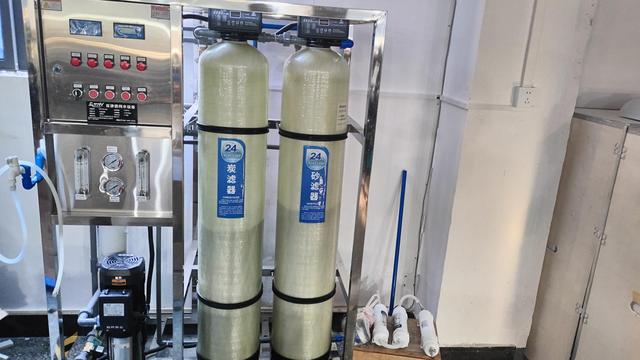
Innovation and quality are at the core of our business. Equipped with modern manufacturing facilities and an experienced R&D team, we continuously develop advanced beauty technologies designed to deliver effective, safe, and non-invasive skincare treatments. Our products feature intelligent control systems, user-friendly interfaces, stable performance, and stylish designs to meet the evolving demands of the global beauty industry.
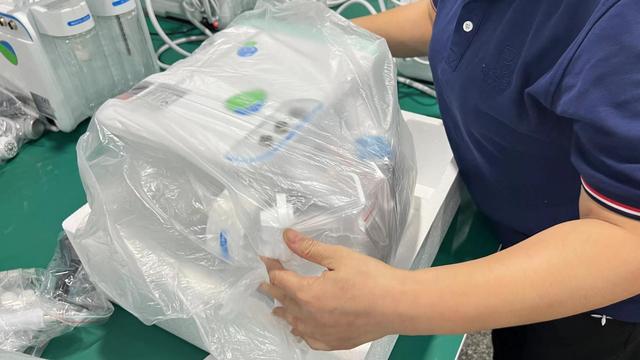
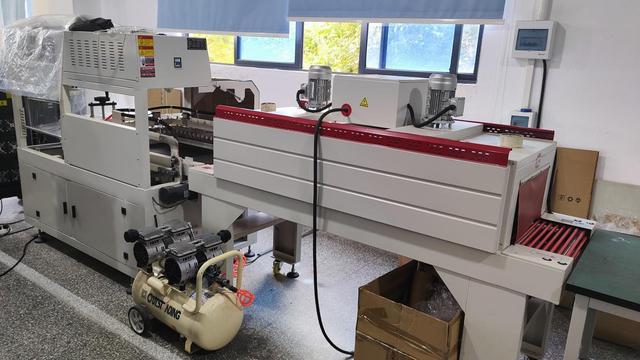
Quality assurance is implemented throughout every stage of production, from raw material sourcing to final product inspection. Strict manufacturing standards and comprehensive testing procedures ensure that every machine meets international quality and safety requirements. In addition, we offer flexible OEM and ODM services, enabling customers to create customized products and build distinctive beauty brands.
Serving clients in Europe, North America, Southeast Asia, the Middle East, South America, and other international markets, Guangzhou Nova Beauty Co., Ltd. has established long-term partnerships with distributors, wholesalers, salons, and aesthetic professionals worldwide.

Aesthetic devices serve different patient demographics and regulatory environments depending on their localized application scenarios. Professional skin rejuvenation systems are typically utilized in three main environments:
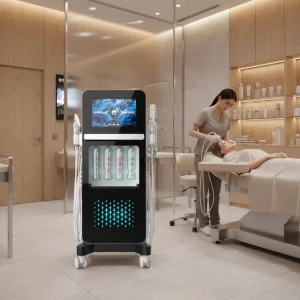
These environments require high-throughput workstations, such as multi-functional 15-in-1 hydradermabrasion platforms or dual RF microneedling units. Practitioners focus on offering combination treatments—exfoliating, extracting, and delivering growth factors in a single 45-minute window—to maximize room revenue and target stubborn conditions like acne scarring and deep wrinkles.
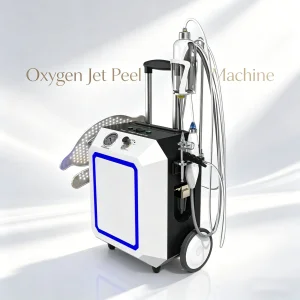
For operations focused on non-invasive skin care, multi-functional facial and oxygen infusion equipment is ideal. These systems allow practitioners to provide relaxing, zero-downtime treatments that brighten skin and clean pores. This helps build customer loyalty through recurring monthly appointments.
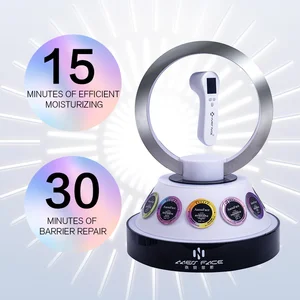
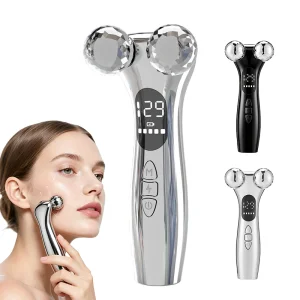
Portable devices, microcurrent systems, and compact microdermabrasion platforms allow aesthetic technicians to offer home-visit services. They also provide clinics with retail opportunities, allowing patients to maintain their clinical results between office visits.
Explore our targeted selection of skin tightening, body contouring, and advanced hydrofacial systems designed for salons and clinics.
 Nova Beauty